Local source context
Boynton Beach Utilities draws from the East Coast Surficial Aquifer. Its East plant uses lime softening, sand filtration and MIEX; its West plant uses nanofiltration.
Because the utility already treats its water, choose home equipment for a measured household goal. Taste, hardness and drinking-water preferences are separate questions; the city name alone cannot size a filter.
Source checked October 16, 2026. A public-system report is not a test at your tap; a mailing address does not establish supplier.Boynton Beach Utilities water quality reportYour well needs its own evidence
A private drinking-water well does not inherit a nearby utility report. Begin with source records and appropriate sampling. Nuisance conditions such as hardness, iron or odor and drinking-water microbiological or chemical concerns are different questions. Clarify which tests the assessment includes and which require a qualified laboratory. A clear sample and acceptable taste do not establish every safety parameter. If an unusual event affects the well or a laboratory identifies a concern, follow health-department and qualified-professional guidance.
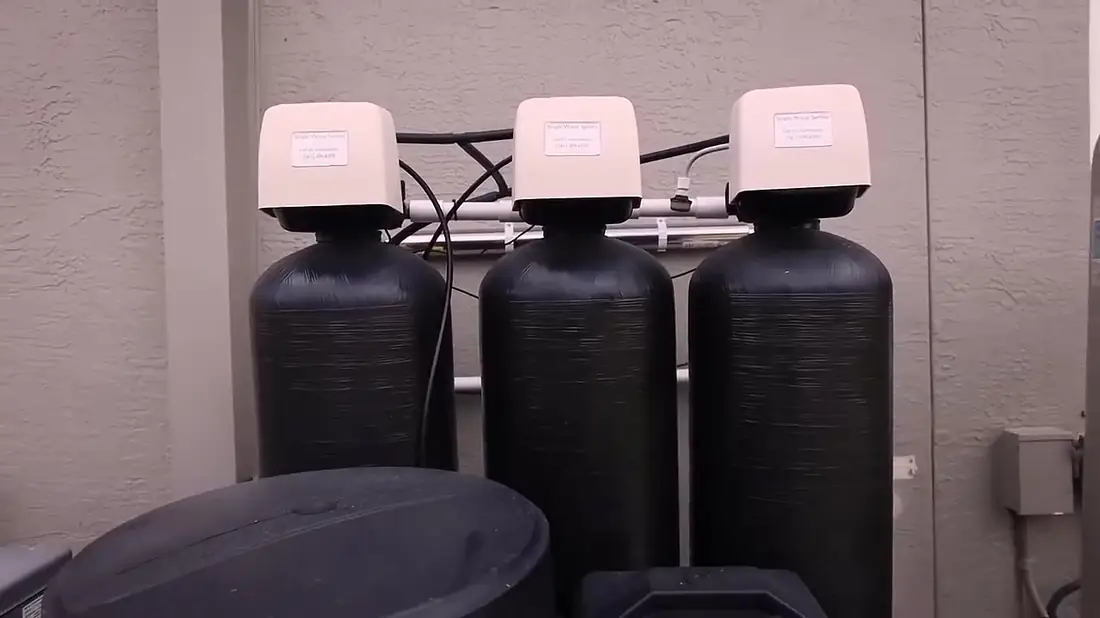
A sequence with a job for each stage
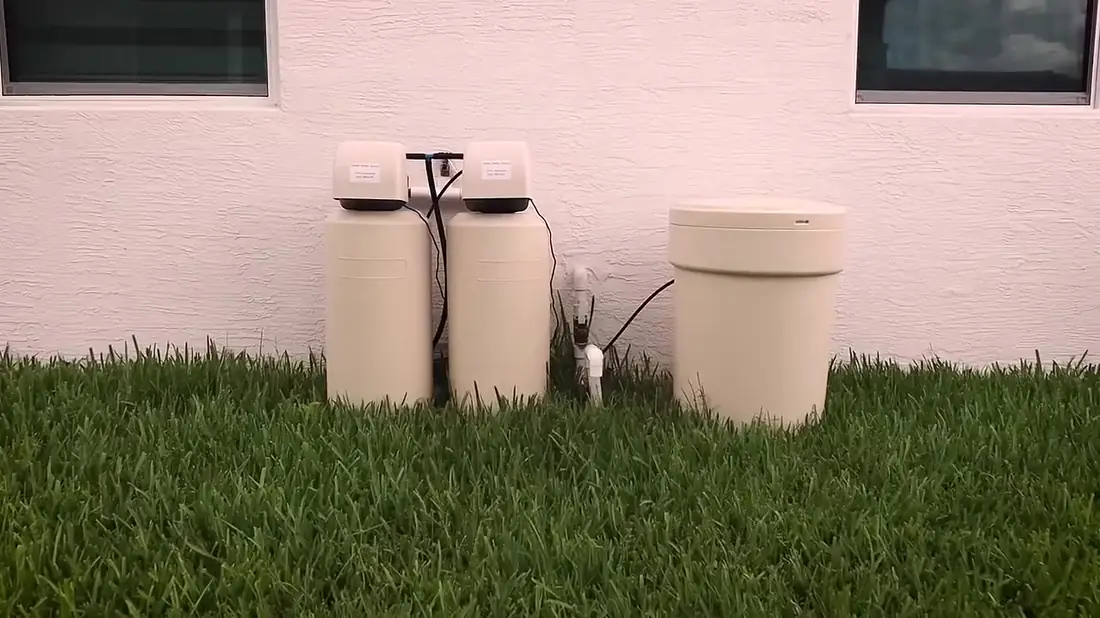
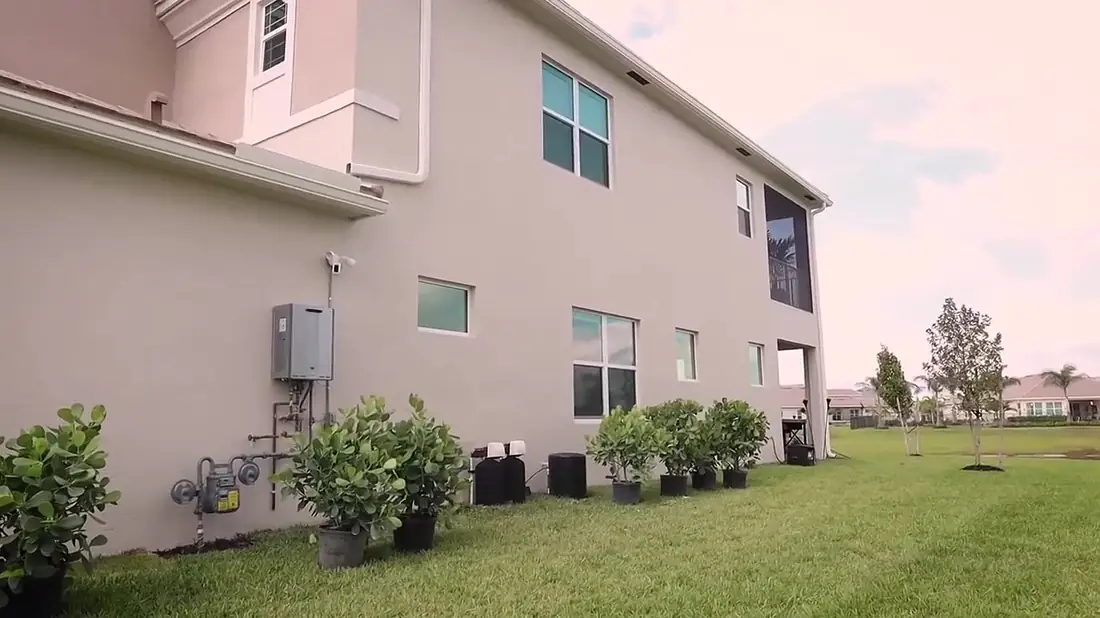
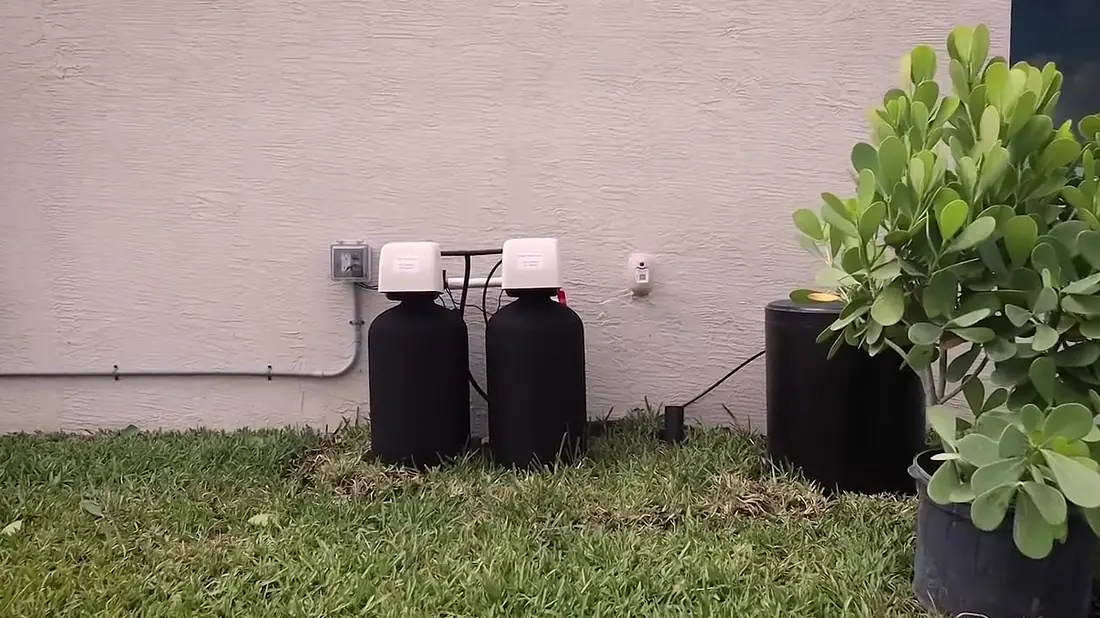
Depending on the results, a design may involve sediment control, oxidation and filtration, softening or another specified process. None of these should be added by default. The proposal should explain which measured target each stage addresses and which conditions can limit performance. Source chemistry and flow influence media selection and settings. Have the installer describe how the raw-water line, treatment and sample points fit together so later service can distinguish a changed source from an equipment problem.
Backwash, pressure and ongoing care
Well-water equipment may require a cleaning flow that the pump and pressure system must actually provide. Include the required drain arrangement and any chemical-feed responsibilities in the assessment. Adding a large filter without adequate cleaning flow can create another service problem. Keep the well, pump and treatment maintenance responsibilities clear. Ask about consumables, testing after service and the conditions that should trigger reassessment. Equipment selection and price should follow the property findings, rather than an assumption that all wells in one neighborhood are alike.
Before requesting well-water treatment
- Confirm your utility supplier or private-well source.
- Describe where the symptom occurs and any existing equipment.
- Provide recent test results, equipment photos and service history.
- Ask for equipment, installation, exclusions and maintenance in writing.
Questions about this service
Can a municipal water report describe my well?
No. A private well needs its own evidence and testing.
Is a free equipment assessment a laboratory safety test?
Not necessarily. Ask exactly which measurements are included, and arrange the laboratory tests appropriate to your drinking-water concern.
Related decisions
Iron staining and sulfur-odor treatment · Water assessment and testing · Water treatment maintenance
See the local buying guide for the source-specific decision before requesting a quote.